

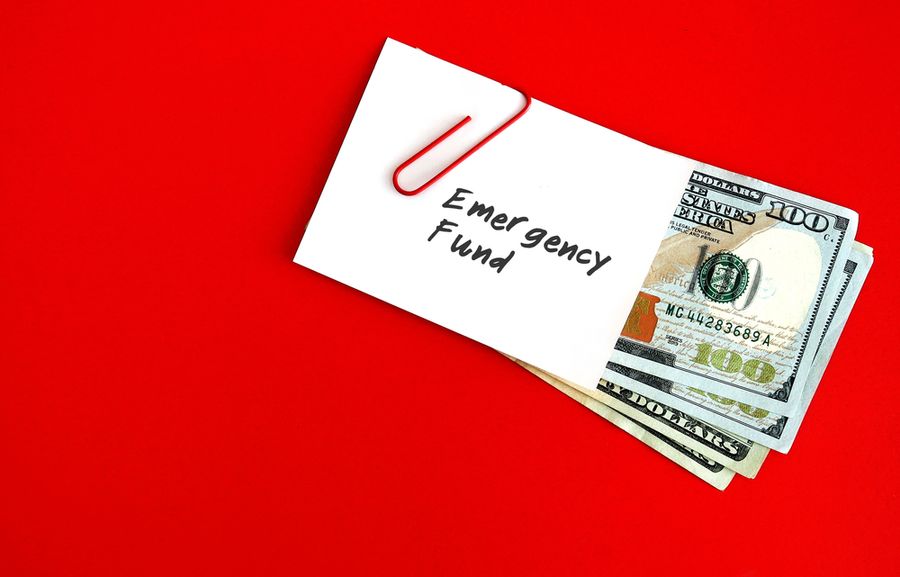
Unexpected expenses have a way of showing up at the worst possible times. A car repair, medical bill, or sudden job disruption can quickly throw finances into chaos when there’s nothing set aside. An emergency fund acts as a financial shock absorber, giving you options instead of panic. Even when income feels tight, building a safety net is possible. It’s not about how much you earn—it’s about creating a system that protects you when life doesn’t go as planned.
What an Emergency Fund Really Is (and What It Isn’t)
An emergency fund is money set aside specifically for unexpected, necessary expenses . It’s not vacation savings, gift money, or extra cash for impulse purchases. This fund exists to cover true emergencies like urgent medical costs, car breakdowns, home repairs, or temporary income loss.
The purpose is stability, not growth. That’s why emergency funds are usually kept in safe, easily accessible accounts like savings accounts or money market accounts. While the balance may not earn much interest, accessibility matters more than returns. When emergencies happen, speed and certainty are critical. Knowing the fund is there—and untouched for other reasons—creates peace of mind and financial control.
Why an Emergency Fund Is So Important
Without an emergency fund, unexpected expenses often lead straight to credit cards or loans. That creates a cycle where emergencies turn into long-term debt, making future finances even more fragile. An emergency fund breaks that pattern by providing cash when it’s needed most .
Beyond the numbers, the emotional impact is significant. Financial stress often comes from uncertainty, not just a lack of money. Having even a small buffer reduces anxiety and decision fatigue. It allows you to focus on solving the problem instead of scrambling for funds. Over time, this sense of security can improve overall financial confidence and reduce reliance on high-interest debt.
How Much You Should Aim to Save
The common recommendation is to save three to six months of essential living expenses. This range offers protection against most disruptions, including job loss or major unexpected costs. That said, this goal can feel overwhelming, especially on a limited or irregular income.
A more realistic approach is to think in stages. The first milestone might be $500 or $1,000—enough to handle many common emergencies. From there, the fund can grow gradually toward one month of expenses, then three, and eventually more if needed. The “right” amount depends on factors like income stability, household size, and job security. Progress matters more than hitting a perfect number quickly.
Starting Small Without Feeling Discouraged
One of the biggest mistakes people make is waiting until they can save a large amount. Small contributions count. Setting aside even $10 or $25 at a time builds the habit and momentum needed for long-term success.
Starting small also reduces pressure. Instead of seeing the goal as distant and impossible, it becomes manageable. Each contribution reinforces the idea that saving is possible, even now. Over time, small deposits add up, and consistency matters far more than size. Building an emergency fund is less about dramatic moves and more about steady, repeatable actions.
Making Room to Save on Any Income
Saving on a tight budget often requires creativity rather than sacrifice alone. The key is identifying money that already exists but isn’t assigned intentionally. This might include small spending leaks, unused subscriptions, or irregular income like tax refunds or bonuses.
Another effective strategy is “paying yourself first,” even in small amounts. Automating transfers right after income arrives removes the temptation to spend first and save later. If income fluctuates, saving a percentage instead of a fixed amount can help maintain consistency. The goal isn’t perfection—it’s building a system that adapts to your income reality.
Keeping the Fund Separate and Protected
Where the emergency fund lives matters. Keeping it separate from everyday spending accounts reduces the temptation to dip into it for non-emergencies. A dedicated savings account labeled clearly as “Emergency Fund” creates a mental barrier that supports discipline.
Accessibility should still be easy, but not instant spending-easy. This balance helps ensure the money is available when truly needed, not slowly drained for convenience. Reviewing the fund periodically reinforces its purpose and allows adjustments as expenses or income change. Protecting the fund is just as important as building it.
Turning a Safety Net Into Long-Term Stability
An emergency fund is more than a savings goal—it’s a foundation. Once it’s in place, financial decisions become less reactive and more intentional. Unexpected expenses lose their power to derail progress, and long-term goals become easier to pursue.
Building this fund takes time, especially on a limited income, but the payoff is significant. Each dollar saved increases resilience and reduces financial stress. With patience and consistency, an emergency fund becomes a quiet source of strength—one that supports you through challenges and creates space for a more secure financial future.