

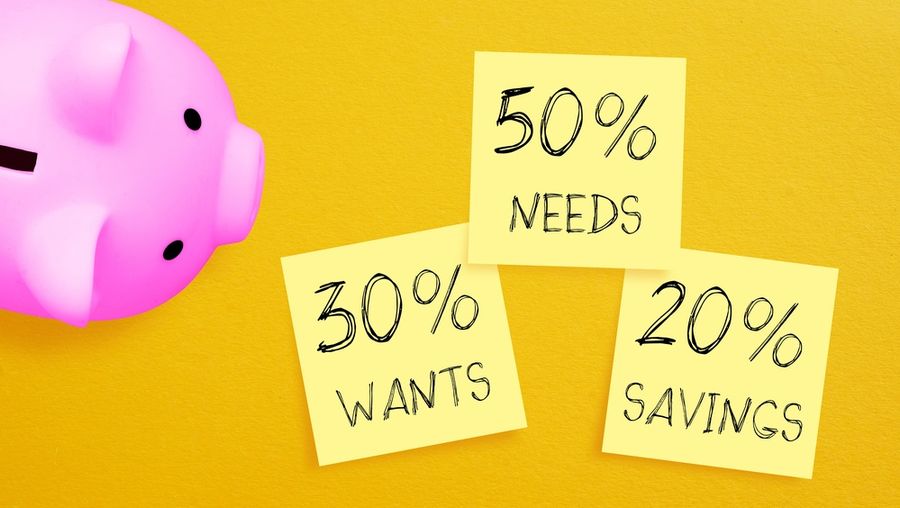
Managing money can feel complicated when every dollar seems to have competing demands. Many people want a budget that provides structure without turning daily spending into a constant source of stress. That’s where the 50/30/20 rule stands out. It offers a simple framework that balances responsibility with flexibility, helping people feel more in control of their finances without tracking every transaction. Instead of rigid rules, it creates clear boundaries that support both short-term needs and long-term goals.
What the 50/30/20 Rule Actually Is
The 50/30/20 rule is a budgeting method that divides after-tax income into three broad categories. Fifty percent goes toward needs, thirty percent toward wants, and twenty percent toward savings or debt repayment. Needs include essential expenses like housing, utilities, groceries, insurance, and transportation. Wants cover discretionary spending such as dining out, entertainment, hobbies, and non-essential shopping. The final portion supports financial progress through savings, investing, or paying down debt.
What makes this approach appealing is its simplicity. Instead of tracking dozens of categories, you focus on three big-picture priorities. The rule doesn’t require perfection; it encourages balance. Spending is guided by percentages rather than rigid dollar limits, which makes it easier to adjust as income changes. For many people, that flexibility makes budgeting feel sustainable rather than restrictive.
Why This Rule Feels Easier Than Traditional Budgets
Traditional budgets often fail because they demand constant attention and discipline. Tracking every purchase can feel exhausting, especially when life gets busy. The 50/30/20 rule reduces that mental load by focusing on overall direction instead of micromanagement. As long as spending stays roughly within each category, small fluctuations don’t derail progress.
Another reason this method feels easier is psychological. It builds permission to enjoy money responsibly. Allocating room for wants helps prevent burnout and guilt-driven spending. When enjoyment is planned, it’s less likely to spiral out of control. At the same time, dedicating a clear portion to savings ensures progress continues even during months when motivation runs low. The balance makes the system feel realistic rather than punishing.
How the 50/30/20 Rule Supports Financial Stability
Financial stability depends on meeting obligations while preparing for the unexpected. The 50 percent needs category helps ensure essentials are covered first, reducing the risk of missed bills or reliance on credit. This creates a stable foundation that supports everything else in the budget.
The 20 percent savings portion plays a critical role in long-term security. Whether directed toward an emergency fund, retirement accounts, or debt payoff, this category builds resilience. Over time, consistent saving reduces stress by creating options. Unexpected expenses become manageable, and future goals feel attainable. Stability isn’t about perfection; it’s about having systems that absorb financial shocks without causing panic.
Adjusting the Rule to Fit Real Life
While the percentages offer guidance, real life rarely fits neatly into a formula. High housing costs, variable income, or family responsibilities can make the 50 percent needs target difficult to hit. In those cases, the rule works best as a reference point rather than a strict mandate. Adjustments can still preserve the spirit of balance.
For example, someone living in a high-cost area might spend more than 50 percent on needs, temporarily reducing the wants category. Others may prioritize savings more aggressively during certain seasons of life. The key is intentional trade-offs. The rule encourages awareness of where money goes and why, even when the exact percentages shift to accommodate reality.
When the 50/30/20 Rule May Not Work Well
This budgeting method isn’t ideal for every situation. People with very low incomes may find that necessities consume far more than half of their earnings, leaving little room for wants or savings. In that case, a survival-focused budget that prioritizes cash flow and stability may be more appropriate.
It can also fall short for those pursuing aggressive financial goals. Someone aiming to eliminate debt quickly or retire early may need to save far more than 20 percent. The rule is designed for balance, not maximum acceleration. Recognizing its limitations helps prevent frustration. A budget should support goals, not constrain them, and sometimes that means choosing a different structure.
How to Start Using the Rule Without Feeling Restricted
Adopting the 50/30/20 rule starts with understanding current spending patterns. Reviewing a few months of expenses reveals how closely habits align with the framework. This step isn’t about judgment; it’s about clarity. Small adjustments often make a big difference.
Gradual changes work better than drastic cuts. Shifting spending slightly toward needs or savings while maintaining room for enjoyment keeps morale high. Automation can also help. Directing savings automatically into separate accounts supports consistency without daily effort. Over time, the rule becomes a guiding rhythm rather than a strict checklist, making budgeting feel natural instead of forced.
Turning a Simple Rule Into a Long-Term Habit
The true strength of the 50/30/20 rule lies in its sustainability. It encourages balance, awareness, and progress without overwhelming detail. By focusing on priorities instead of perfection, it helps people stick with budgeting long enough to see results.
As life changes, the rule can evolve. Income growth, shifting goals, or new responsibilities may call for adjustments. What matters most is maintaining intentional control over money. When budgeting feels supportive rather than restrictive, it becomes a habit that builds confidence, stability, and freedom over time.