

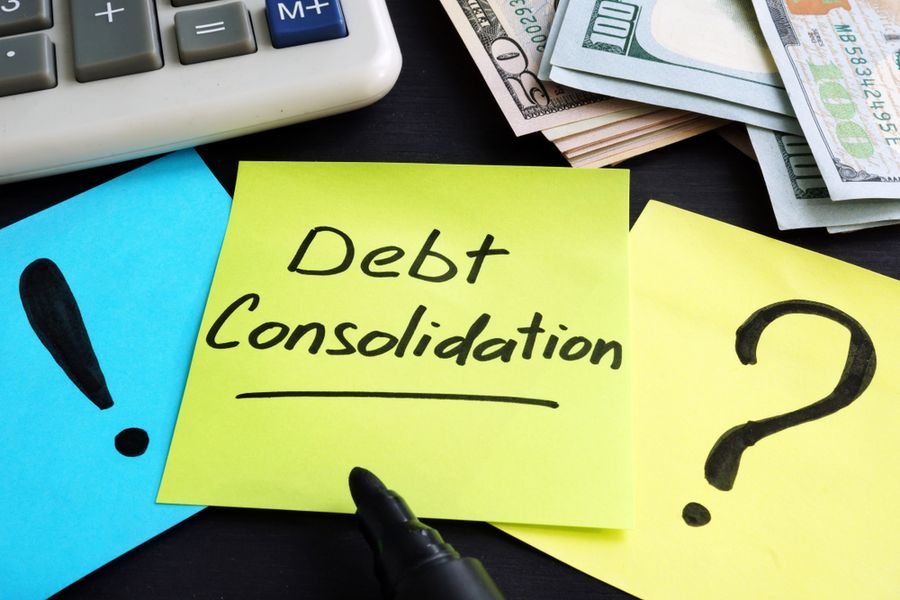
Debt consolidation often sounds like a fresh start. One payment instead of many, a lower interest rate, and the promise of faster progress can feel like relief after juggling multiple balances. For some borrowers, consolidation truly simplifies repayment and restores control. For others, it quietly resets the cycle and leads to even more debt. Understanding what debt consolidation actually does (and what it does not do!) makes the difference between using it as a tool or falling into a costly detour.
What Debt Consolidation Really Means
Debt consolidation is the process of combining multiple debts into a single loan or payment. This is usually done by taking out a new loan or credit product to pay off existing balances, such as credit cards, medical bills, or personal loans. Once consolidated, the borrower makes one monthly payment instead of several, ideally at a lower interest rate or with a clearer payoff timeline.
Consolidation does not erase debt or reduce the amount owed on its own. It simply restructures how the debt is carried and repaid. The appeal lies in simplicity and, in some cases, cost savings. When used thoughtfully, consolidation can improve cash flow and reduce interest. When misunderstood, it can give a false sense of progress while leaving the underlying issues untouched.
Common Ways People Consolidate Debt
Debt consolidation can take several forms, each with different risks and benefits. Personal loans are one of the most common options, offering fixed payments and a set payoff term. Balance transfer credit cards are another approach, often featuring low or zero introductory interest rates for a limited time.
Some homeowners use home equity loans or HELOCs to consolidate high-interest debt into a lower-rate, secured loan. Others enroll in debt management plans through nonprofit credit counseling agencies, which negotiate lower interest rates without issuing a new loan. Each method affects interest costs, repayment structure, and risk differently. Choosing the right approach depends on credit profile, income stability, and comfort level with potential tradeoffs.
When Debt Consolidation Can Be a Smart Move
Debt consolidation can be effective when it meaningfully lowers interest rates and creates a clear payoff schedule. Borrowers with good or improving credit may qualify for loans with rates far below credit card APRs. That difference can reduce total interest and help payments actually chip away at principal.
Consolidation also works well when finances are stable but disorganized. Multiple due dates, varying balances, and inconsistent rates can make repayment stressful. A single payment simplifies budgeting and reduces the chance of missed payments. When paired with controlled spending and a realistic budget, consolidation can turn scattered debt into a focused plan with an end date.
When Debt Consolidation Can Backfire
Debt consolidation becomes risky when it addresses symptoms rather than causes. If spending habits remain unchanged, newly freed credit limits can fill up quickly, leaving borrowers with both the consolidation loan and new debt. This is one of the most common ways consolidation turns into a trap.
High fees and longer repayment terms can also increase total cost. Some consolidation loans stretch payments over many years, lowering monthly amounts but raising total interest paid. Secured options, like home equity loans, introduce the risk of losing assets if payments are missed. Consolidation that feels easier today but creates higher risk tomorrow often does more harm than good.
The Role of Credit Score and Loan Terms
Credit score plays a major role in whether consolidation helps or hurts. Borrowers with stronger credit profiles are more likely to qualify for lower rates and favorable terms. Those with fair or poor credit may face high interest, origination fees, or short repayment periods that limit benefits.
Loan terms matter just as much as the rate. A slightly higher rate with a shorter term can be cheaper overall than a lower rate stretched over many years. Reading the fine print helps reveal whether consolidation actually accelerates payoff or simply rearranges balances. The smartest consolidation plans reduce interest and shorten the path out of debt, not extend it.
Alternatives to Traditional Debt Consolidation
Consolidation is not the only path to simplification. Some borrowers make progress by focusing on payoff strategies like the debt snowball or debt avalanche without taking on new loans. Others work with nonprofit credit counselors to create structured repayment plans that lower interest without affecting credit as severely.
In certain situations, negotiating directly with creditors can reduce rates or fees. Budget adjustments, temporary income boosts, or selling unused assets can also help reduce balances without restructuring debt. Exploring alternatives helps ensure consolidation is chosen because it fits the situation, not because it feels like the only option.
Using Consolidation as a Tool, Not a Reset Button
Debt consolidation is neither a guaranteed solution nor an automatic mistake. It is a financial tool that works only when paired with behavior change and clear goals. Used strategically, it can simplify repayment, lower costs, and restore momentum. Used carelessly, it can delay progress and deepen the problem.
The key is honesty about spending patterns and financial capacity. Consolidation should support a plan, not replace one. When borrowers understand what consolidation does, and what it requires, they are far more likely to use it wisely and avoid turning short-term relief into long-term regret.