

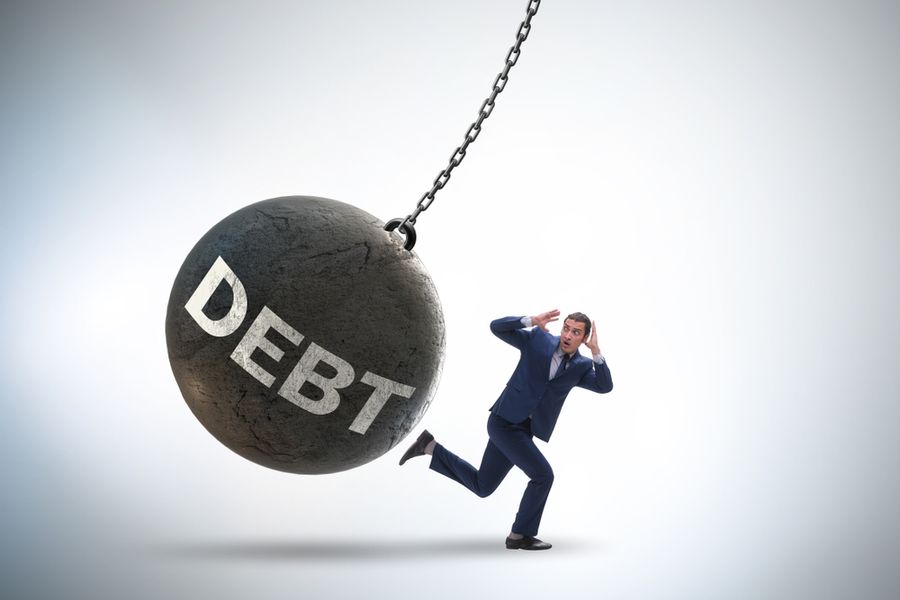
Debt often lingers longer than expected, even when payments are being made every month. Many people work hard, earn steady income, and genuinely want progress, yet balances barely seem to move. That frustration usually isn’t caused by laziness or lack of discipline. It’s more often tied to patterns that quietly repeat in the background. Understanding why debt sticks around is the first step toward changing the outcome and building momentum that finally lasts.
Income Gaps That Never Fully Close
One of the most common reasons debt persists is a simple mismatch between income and expenses . Even modest shortfalls can push people to rely on credit cards or loans to cover everyday needs. When income barely covers essentials, debt becomes a bridge rather than a one-time solution. Over time, balances grow not from overspending, but from survival spending.
This gap can exist even for people who budget carefully. Rising housing costs, healthcare expenses, childcare, and transportation often increase faster than wages. Without a buffer, any unexpected expense lands on credit. Breaking this cycle usually requires addressing income directly, whether through raises, job changes, side income, or reduced fixed expenses. Debt payoff becomes far more realistic once cash flow stops working against you.
Using Credit as a Safety Net Instead of a Tool
Credit often starts as a temporary solution and slowly becomes a permanent backup plan. When emergencies, repairs, or shortfalls repeatedly land on credit cards, debt stops shrinking. Each new charge offsets progress made through payments, creating the illusion of effort without results.
This pattern is rarely intentional. Many people lack sufficient emergency savings, so credit fills the gap. Without an alternative safety net, debt repayment feels like taking one step forward and two steps back. Breaking this habit usually requires shifting focus toward small, consistent savings alongside debt payments. Even a modest emergency fund can prevent new balances and allow repayment efforts to finally gain traction.
Emotional Spending and Financial Fatigue
Debt is not purely a math problem. Stress, burnout, and emotional exhaustion often play a significant role . When finances feel overwhelming, spending can become a coping mechanism, offering short-term relief or a sense of control. That relief fades quickly, but the balance remains.
Financial fatigue also makes consistency harder. Long payoff timelines can drain motivation, leading to skipped payments or impulsive decisions. This doesn’t reflect failure; it reflects being human. Addressing emotional triggers and building realistic plans helps reduce the urge to spend reactively. Debt repayment becomes more sustainable when it aligns with mental and emotional capacity, not just numerical targets.
Minimum Payments and the Illusion of Progress
Making minimum payments keeps accounts in good standing, but it rarely leads to meaningful progress. Interest continues to accrue, and balances can take years or decades to disappear. Many borrowers don’t realize how little of each payment goes toward principal, especially with high-interest debt.
This creates a discouraging cycle where effort feels disconnected from results. Without a targeted payoff plan, debt remains technically “managed” but never resolved. Understanding amortization and interest mechanics helps clarify why balances linger. Shifting from minimum payments to focused strategies, even with small extra amounts, changes the trajectory and restores a sense of control.
Lack of a Clear, Personalized Strategy
Debt often sticks around because there is no defined endgame. Paying bills as they come without a structured plan can feel responsible, yet it rarely leads to freedom. Generic advice may not fit individual circumstances, income patterns, or motivation styles.
A personalized strategy considers priorities, behavior, and financial realities. Some people need early wins to stay motivated, while others prefer minimizing interest costs. Without alignment, even a technically sound plan can fail. Clarity around timelines, milestones, and tradeoffs transforms debt from a vague burden into a problem with a solution. Progress becomes measurable rather than abstract.
Waiting for the “Perfect Time” to Start
Many people delay aggressive debt payoff while waiting for better conditions: higher income, lower expenses, or fewer obligations. While planning matters, waiting indefinitely allows interest to keep compounding. The perfect moment rarely arrives on its own.
Starting imperfectly often beats waiting for ideal circumstances. Small, consistent actions create momentum and reveal opportunities for adjustment along the way. Debt payoff is rarely linear, and progress doesn’t require perfection. Breaking the cycle often begins with deciding that forward movement matters more than flawless timing.
Turning Awareness Into Lasting Change
Staying in debt is rarely about one bad choice. It’s usually the result of overlapping pressures, habits, and gaps that quietly reinforce each other. Recognizing that reality removes shame and replaces it with clarity. Debt becomes a solvable problem rather than a personal flaw.
Breaking the cycle requires addressing root causes, not just balances. When income supports expenses, credit stops filling emergencies, and strategies match real life, progress accelerates. Debt freedom isn’t built on willpower alone. It grows from understanding patterns and choosing systems that support long-term change rather than short-term survival.