

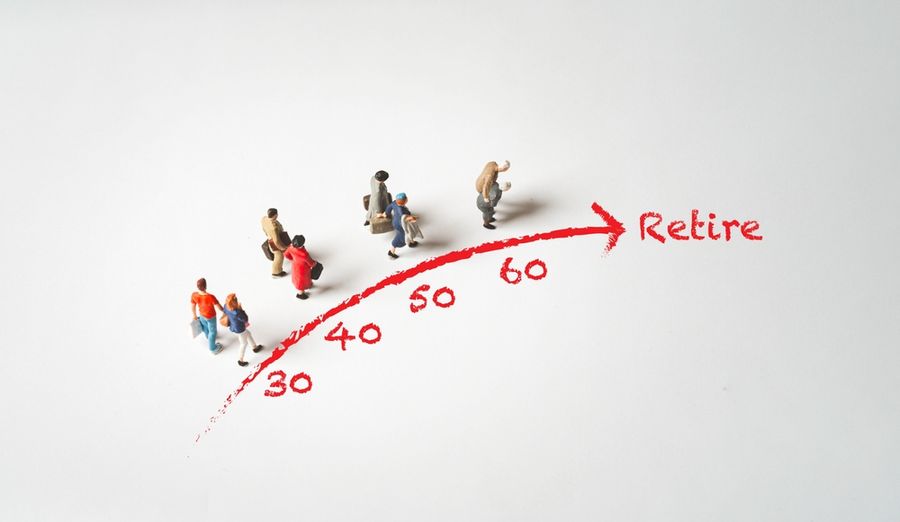
Retirement planning often comes with one overwhelming question: how much is actually enough? Headlines toss around huge figures that can feel intimidating or unrealistic, especially when daily expenses already stretch your budget. The truth is that a comfortable retirement looks different for everyone. Lifestyle, timing, health, and income sources all play a role. Understanding how retirement numbers are estimated (and what truly influences them) can help replace anxiety with clarity and give you a more realistic target to work toward.
Why There Is No Single “Right” Retirement Number
Retirement isn’t a fixed destination with a universal price tag. Two people earning the same income may need very different amounts based on where they live, how they spend, and what they value. Someone planning a quiet, home-centered retirement will likely need far less than someone who dreams of frequent travel and new hobbies.
Another reason retirement numbers vary is longevity. Planning for a longer life requires more savings, especially as healthcare costs rise with age. Taxes, inflation, and unexpected expenses also shape how far your money will go. Rather than chasing a generic number, the goal is to estimate what you will need to maintain comfort, flexibility, and peace of mind throughout retirement.
Common Rules of Thumb Used to Estimate Retirement Needs
Rules of thumb provide helpful starting points, even though they’re not perfect. One common benchmark suggests saving 10 to 12 times your final working-year salary by retirement age. Another popular approach is the “25x rule,” which multiplies your expected annual retirement spending by 25 to estimate a target savings amount.
Many planners also reference income replacement ratios, often estimating that retirees need 70% to 80% of their pre-retirement income to maintain a similar lifestyle. While convenient, such guidelines don’t account for personal details like debt status, housing costs, or lifestyle shifts. They’re best used as rough guideposts, not final answers carved in stone.
How Your Lifestyle Choices Shape Retirement Costs
Lifestyle decisions have a massive impact on retirement needs. Housing alone can dramatically shift the equation. Owning a paid-off home in a low-cost area often reduces required savings, while renting or relocating to a high-cost region increases them.
Daily habits also matter. Dining out, travel frequency, hobbies, and gifting all add up over decades. Some retirees spend less overall, while others spend more during early retirement years when they’re most active. Planning becomes more accurate when you think through how you actually want to live, not just what you earn today or what others say you “should” spend later.
The Role of Healthcare, Inflation, and Longevity
Healthcare is one of the most unpredictable retirement expenses . Medicare helps, but premiums, out-of-pocket costs, prescriptions, and long-term care can strain even well-funded plans. Ignoring healthcare inflation can leave retirees vulnerable later in life.
Inflation quietly erodes purchasing power over time. A lifestyle that feels affordable at age 65 may cost significantly more by age 85. Longevity adds another layer of complexity, as many retirees underestimate how long their savings must last. Planning for a longer horizon, even if it feels uncomfortable, helps protect against running out of money when options become more limited.
How Retirement Income Sources Reduce the Amount You Need
Retirement savings rarely work alone. Social Security, pensions, annuities, and even part-time work can significantly reduce how much you need to withdraw from personal savings each year. Understanding expected income from each source brings clarity to the overall picture.
For example, a reliable monthly income can cover basic expenses, allowing savings to fund discretionary spending or emergencies. Delaying Social Security may increase benefits, while pensions offer stability for those who have them. The more dependable income streams you have, the less pressure rests on your investment portfolio to do all the heavy lifting.
Turning Estimates Into a Personal Retirement Plan
Once you understand the variables, the next step is personalization. Retirement calculators can help translate income, age, savings rate, and goals into a clearer projection. Adjusting assumptions—retirement age, spending level, or contribution rate—shows how small changes today can reshape long-term outcomes.
This process isn’t about perfection. It’s about direction. Regular check-ins allow plans to evolve as life changes. Whether starting early or catching up later, clarity about your target makes saving feel purposeful rather than overwhelming, and helps transform abstract numbers into an achievable strategy.
Building Confidence Around Your Retirement Future
Retirement comfort isn’t defined by hitting a magic number; it’s defined by preparedness and flexibility. Understanding how much you truly need (and why) replaces fear with informed action. Even if your target feels ambitious, progress builds confidence over time.
The most powerful step is engagement. Asking the question, refining assumptions, and adjusting plans keep you in control. Retirement doesn’t have to be a guessing game. With realistic expectations and consistent effort, comfort becomes less about luck and more about intention.